
Demystifying AIS 156 certification: a comprehensive guide to batteries for light electric vehicles in India
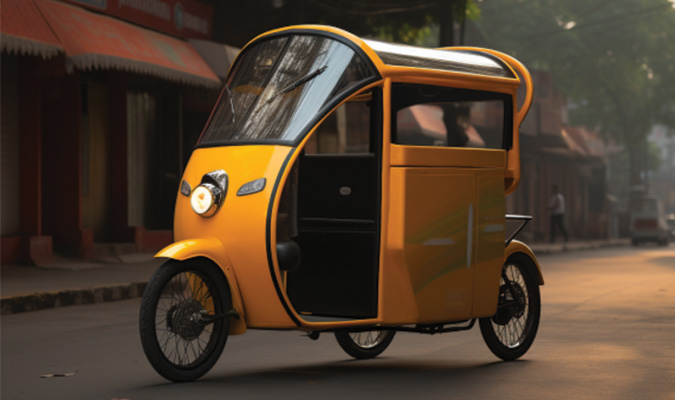
India is one of the fastest-growing electric mobility markets in the world. Increasing urban congestion, air pollution, and environmental concerns have prompted the Indian government to encourage the adoption of electric vehicles with the FAME 2 program supporting the purchase of electric vehicles including three, four wheelers and buses.
The benefits of these vehicles include a reduction in greenhouse gas emissions, reduced dependence on fossil fuels, and lower operating costs. However, to ensure that light electric vehicles meet safety and performance standards, AIS 156 certification has become a crucial element.
The Indian government actively supports AIS 156 certification as a key component of its electric mobility strategy.
Forsee Power at the heart of the swappable battery revolution for two wheelers
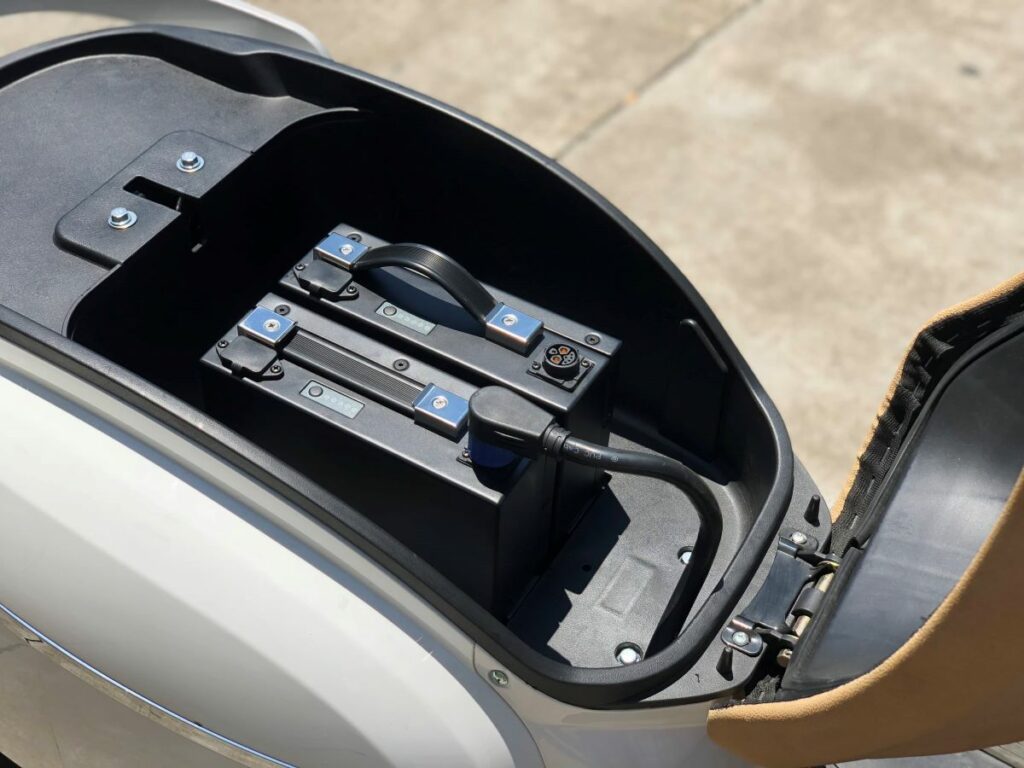
As electrification efforts accelerate worldwide to reduce CO2 emissions, the motorcycle industry also intends to electrify its two-wheeled vehicles. To disseminate them, a number of challenges need to be met, such as extending range, reducing charging time and cutting vehicle and infrastructure costs. The widespread adoption of removable batteries, also known as “swappable batteries” or “interchangeable batteries”, is a response to this trend in terms of flexibility and range. The principle is simple: to enable users to quickly and easily change the battery in their electric vehicle when it is discharged, instead of having to wait for a full recharge. Particularly suited to electric two-wheelers because of their very compact size, weight and ease of handling, their adoption depends on the availability of removable batteries on the market, as well as the existence of an infrastructure of battery swap stations.
Fatiha Hammadi joins Forsee Power as Director of Group Information Technology

Fatiha Hammadi joins Forsee Power as Director of Group Information Technology. With more than 20 years of experience in IT management in the international industrial sector, Fatiha brings valuable expertise in program and project management, particularly in areas such as SAP, CRM, MES, BI, SCM, WHM, Analytics & Big Data, as well as predictive maintenance […]
Thermal management of lithium batteries: a crucial challenge for performance and durability
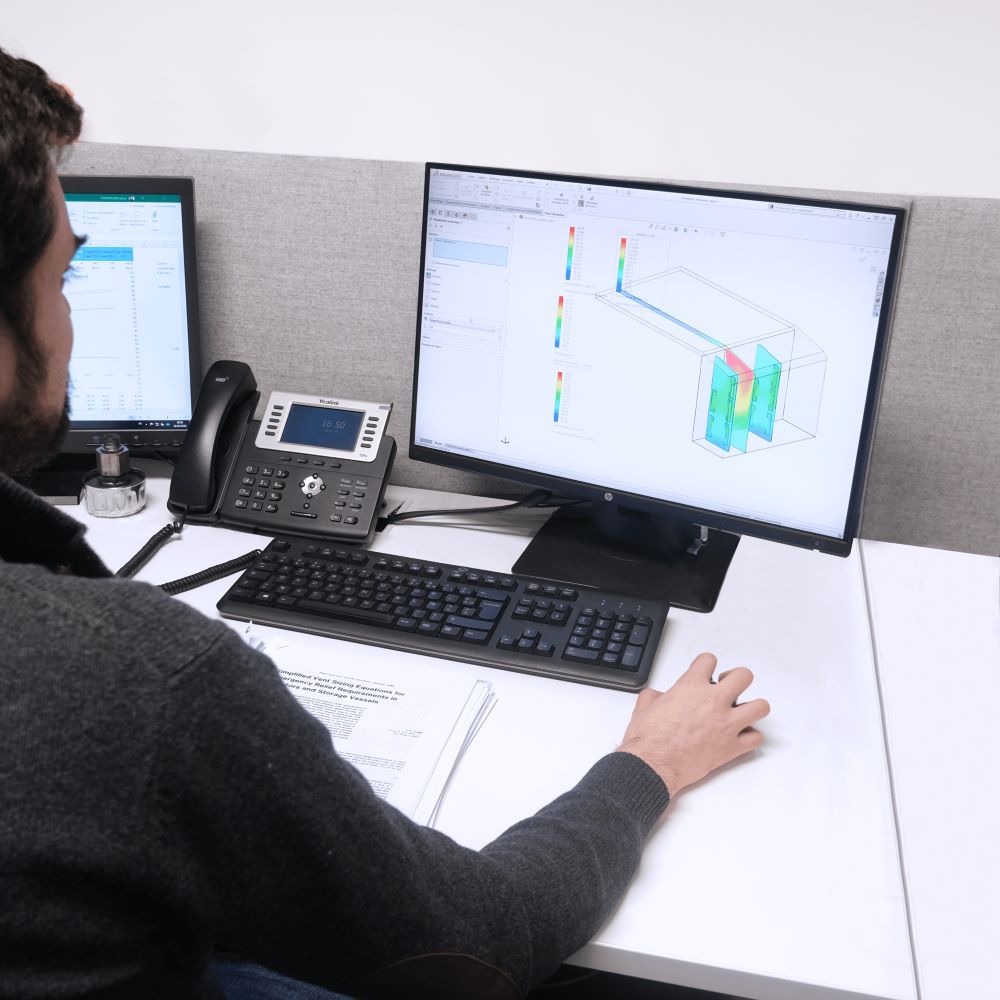
Thermal management of lithium batteries is an essential aspect to consider when designing and using these energy storage systems. In electric vehicles, lithium batteries are subjected to significant thermal stresses due to rapid charging and discharging, as well as variable ambient conditions.
Overheating batteries can reduce their efficiency and service life, and even cause safety malfunctions. This is why effective thermal management is essential for lithium batteries.
The challenges of transporting lithium-ion batteries
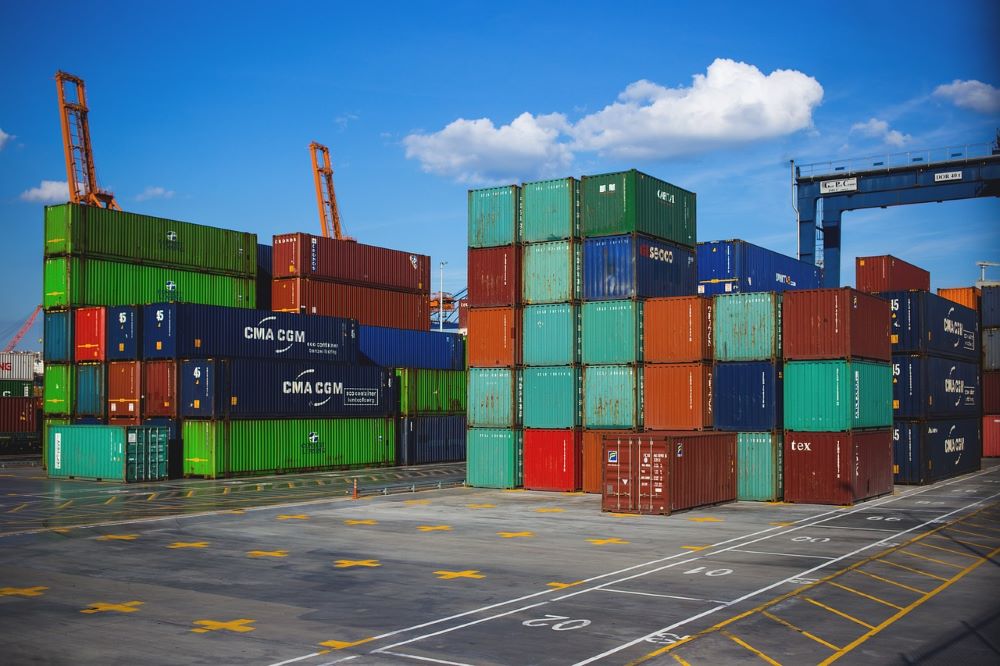
Lithium-ion batteries have revolutionized our daily lives, powering a multitude of applications. Initially used for computers and everyday applications (tools, smartphones, etc.), they have gradually been developed to power 100% electric or hybrid vehicles (cars, buses, trucks and off highway vehicles).
The continuing growth in demand for lithium batteries means that they have to be supplied to vehicle integrators and manufacturers wherever they are located. Logistical flows of lithium batteries have increased, necessitating the introduction of standards and regulations aimed at managing their transport efficiently, particularly in terms of safety.
FORSEE GO 10 battery clears the new AIS 156 India certification
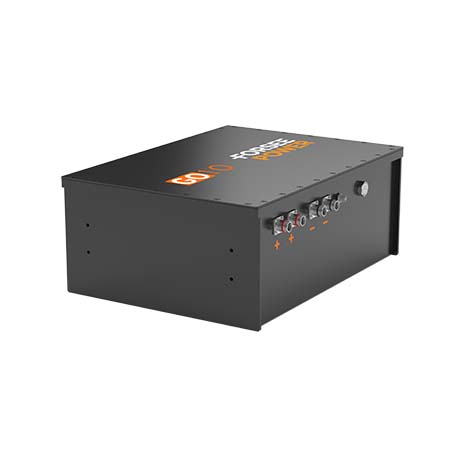
In 2021, Forsee Power started its operations in India with a strong focus on battery solutions for the booming light vehicles market.
Hydrogen vehicles, a 100%-battery alternative for zero emission electromobility
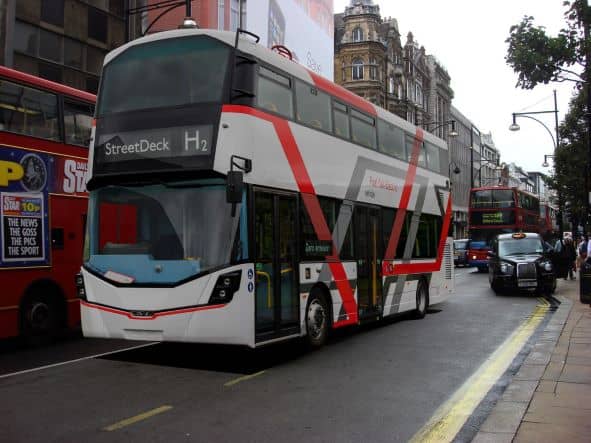
Hydrogen vehicles are a promising option for the future, but their costs and carbon footprints are being debated.
Like retrofit, the hydrogen industry is emerging. Several countries are presenting ambitious plans to accelerate its development, praising the availability of the resource and its high energy density. For example, France and Portugal are dedicating 7 billion euros to the sector until 2030, Germany, Spain and the Netherlands 9 billion and Italy 10 billion.
Solid-state battery: the future of electromobility?

100% lithium or hydrogen battery electric solutions – including a lithium-ion battery – are the most mature and coveted alternatives for the energy transition of the transport sector.
Lithium batteries are being actively researched and improved: lighter, more compact, more capacitive, faster charging and more stable over time, solid-state cell manufacturers are announcing one after the other their incredible results and betting on this “technology of the future”. Over the past 10 years, interest in this technology has been revived with the use of new materials with high ionic conductivity.
Electric retrofit accelerates decarbonisation of transport

Faced with the strengthening of mobility policies imposed by cities and governments to meet the objective of carbon neutrality by 2050, vehicle fleets are being electrified en masse.
Like private individuals, fleets are being equipped: light vehicles, commercial vehicles, trucks, industrial vehicles, buses. If the purchase of a completely new solution is a widely favoured option until now, why not consider retrofitting as an alternative to ensure the energy transition of a fleet?
The Forsee Power teams are in mourning.

The Forsee Power teams are mourning the loss of Olivier Pequet, who passed away on December 30. Olivier was a member of the Executive Committee of Forsee Power and led the Group’s rail division since the integration of the Centum Adetel Transportation team in July 2021. We are thinking of his family and loved ones. […]